Start at Khandoba Temple in Jejuri, or head farther afield for hill forts, riverside shrines and views of the Karha. Use the road distances below to plan your day from the hotel.
Jejuri Gad, Jejuri
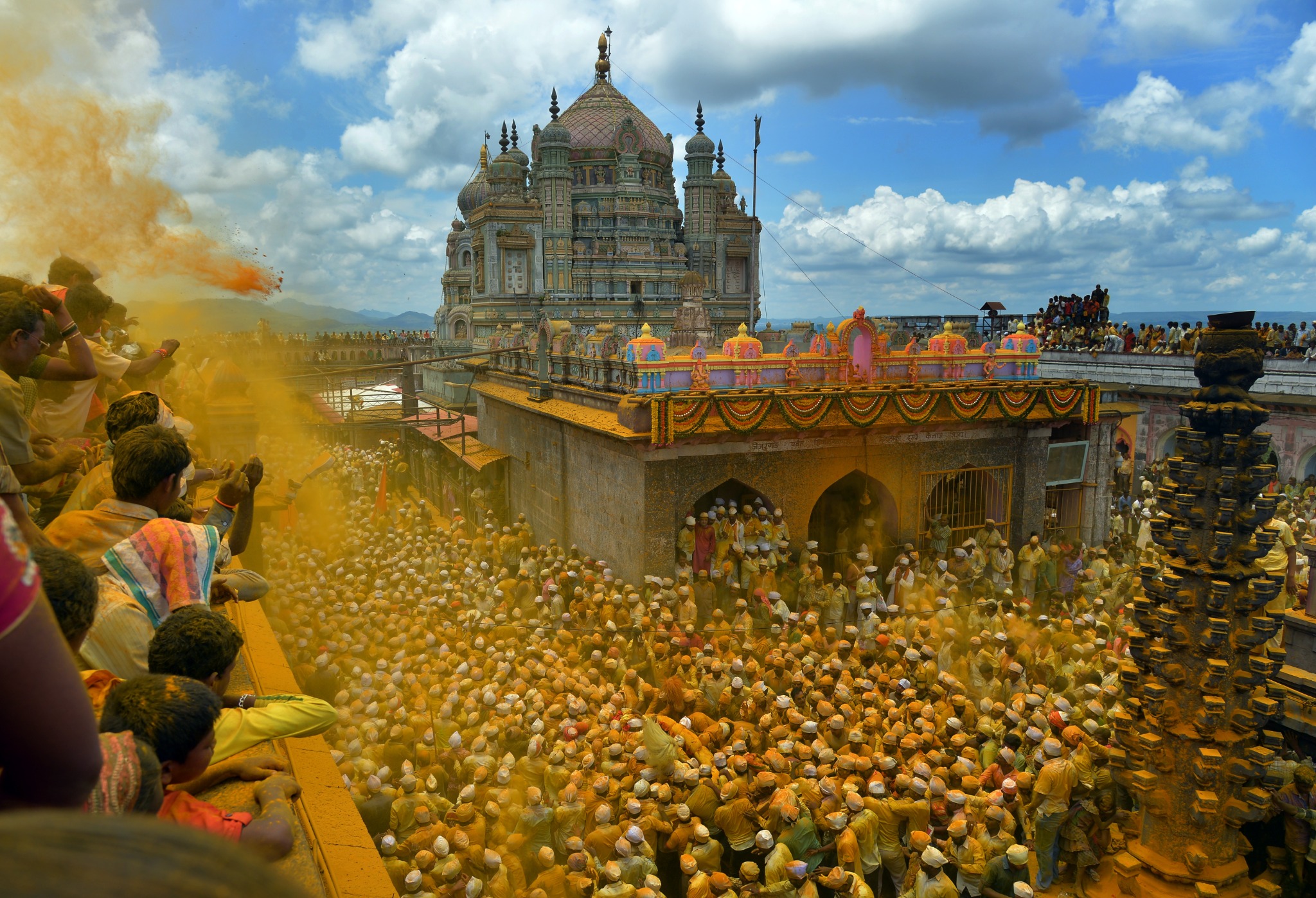
Khandoba Temple
900 m by road from the hotel
Follow the stone stairway to Jejuri Gad, where lamp towers, fortified walls and the brass-clad courtyard tortoise frame one of Maharashtra’s best-known places of pilgrimage. The temple is especially famous for bhandara, the turmeric devotees offer to Lord Khandoba.
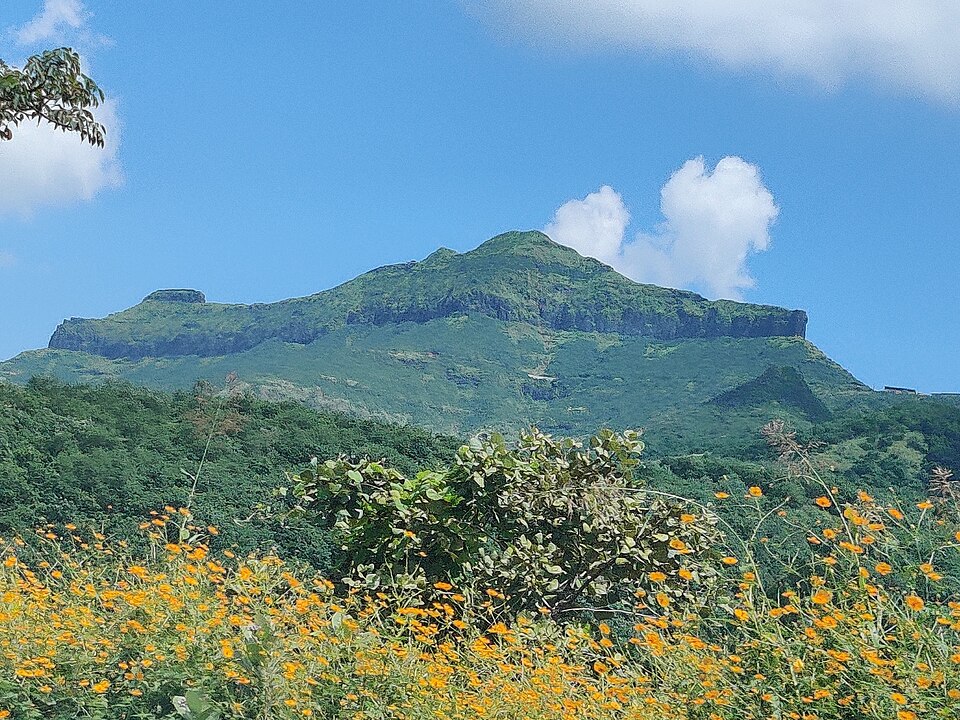
Follow Purandar’s gates and ramparts along a ridge that once helped control approaches to the Deccan. The fort is remembered for the 1665 siege, Murarbaji Deshpande’s defence and the birth of Chhatrapati Sambhaji Maharaj.
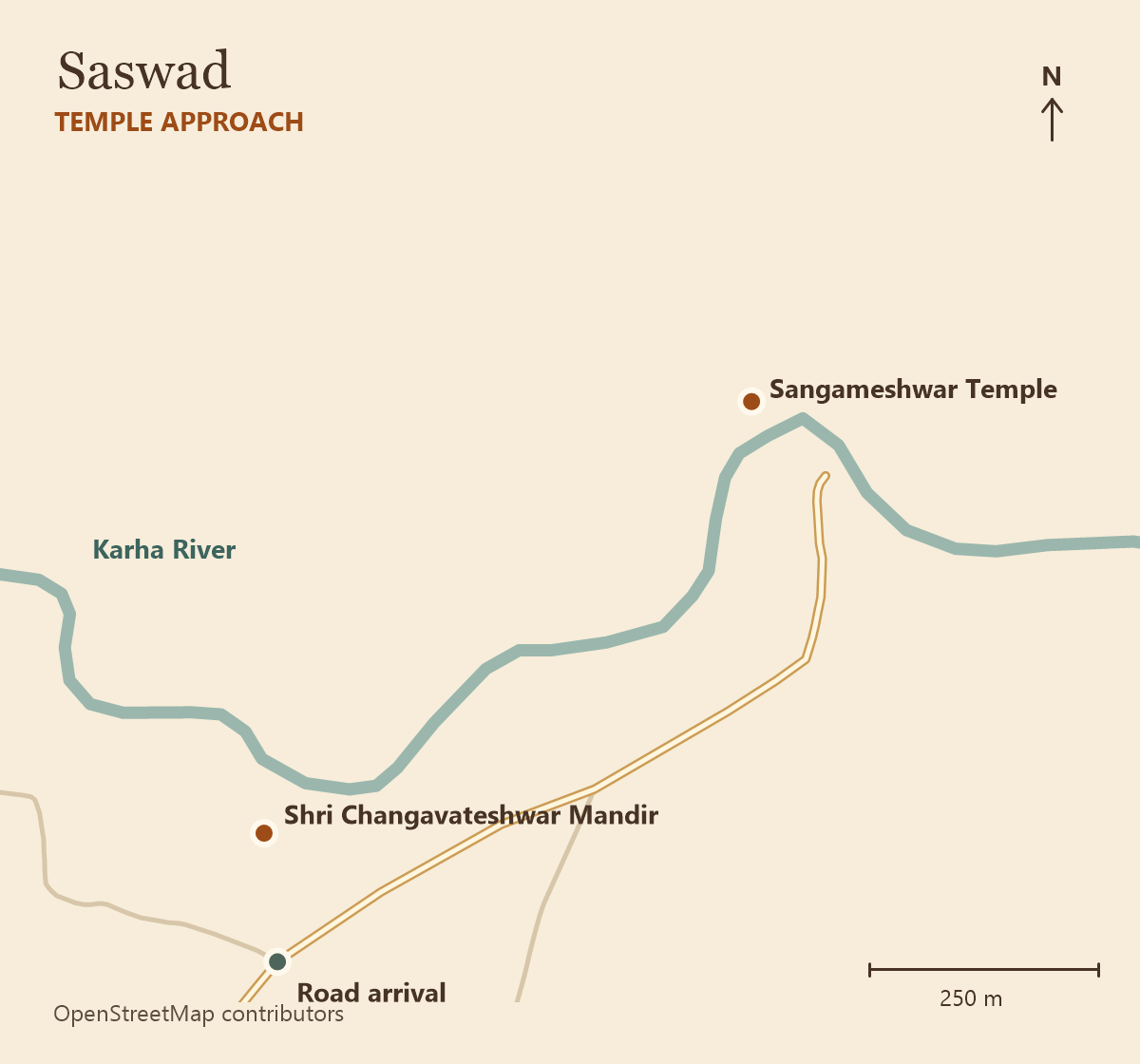
See the carved towers of this Shiva temple at the meeting of the Karha and Chambli rivers. The view from the nearby bridge takes in the shrine, its riverside ghats and a part of Saswad’s old town shaped by water.
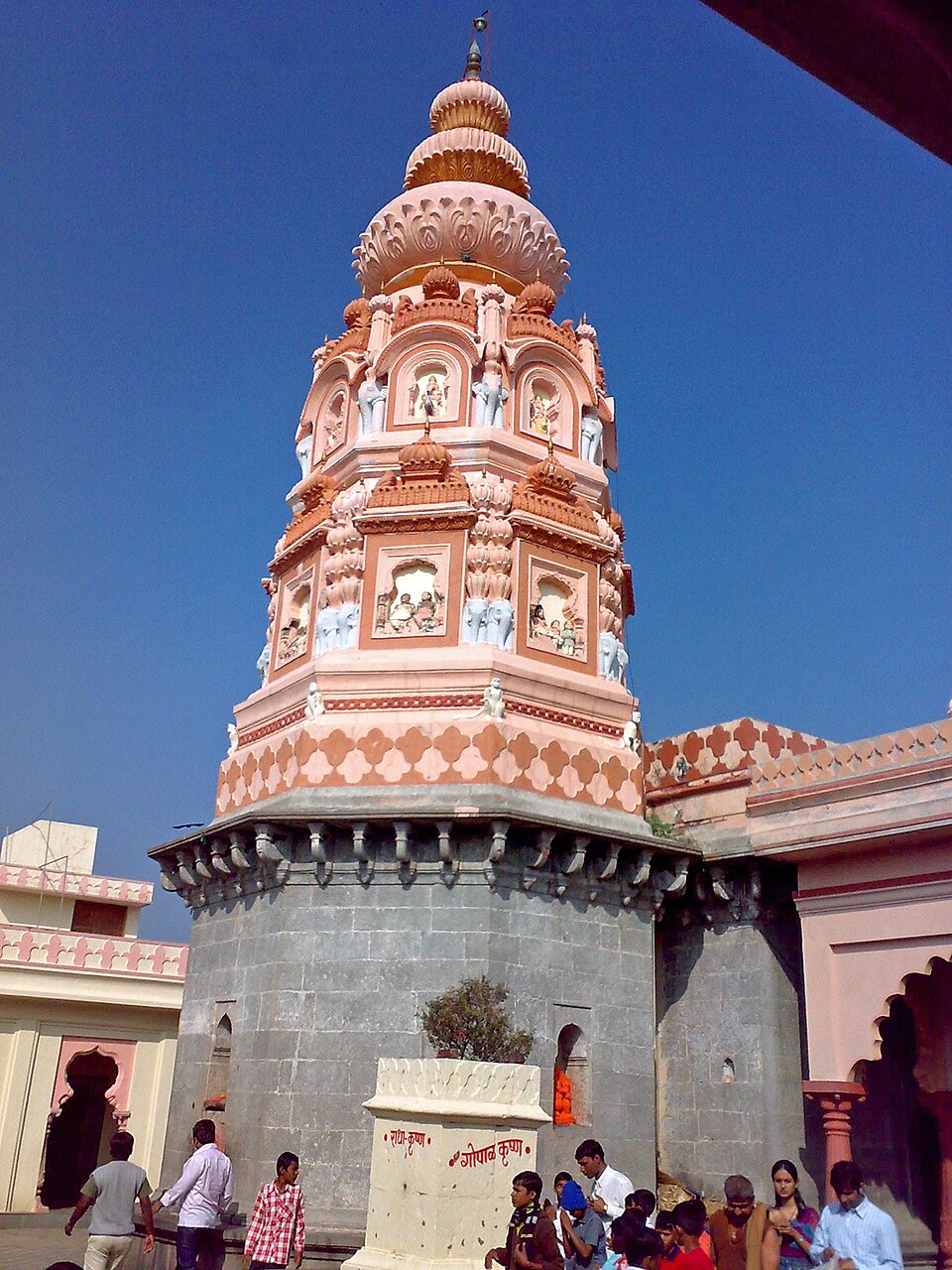
Visit the Ganesha shrine that opens and closes the traditional Ashtavinayak pilgrimage. Inside Morgaon’s stone enclosure, the drum house, temple tower and a large Nandi tell different parts of the shrine’s story.
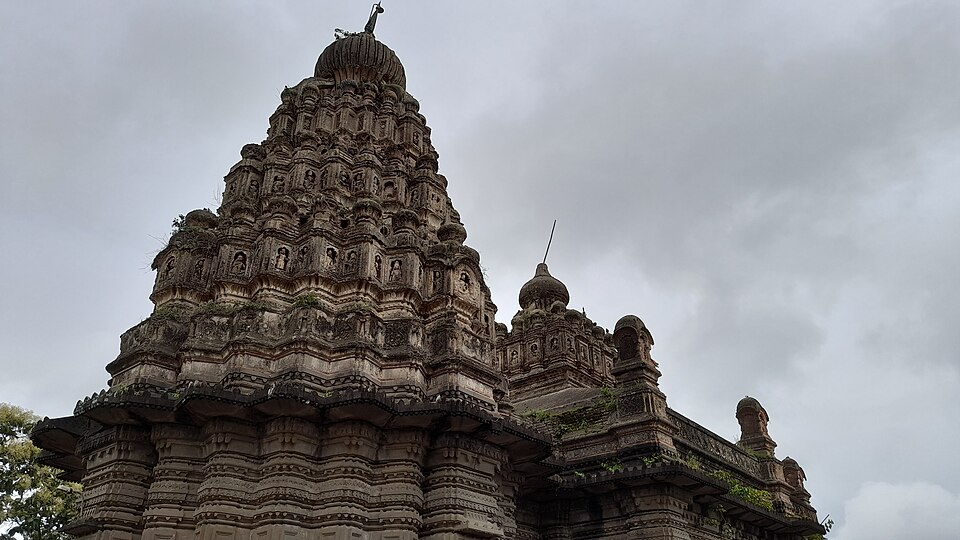
Look for carved dancers, wrestlers and a stone Nandi in this Shiva temple on the Karha. The Saswad shrine is also associated with Changdev and the annual Wari pilgrimage to Pandharpur.
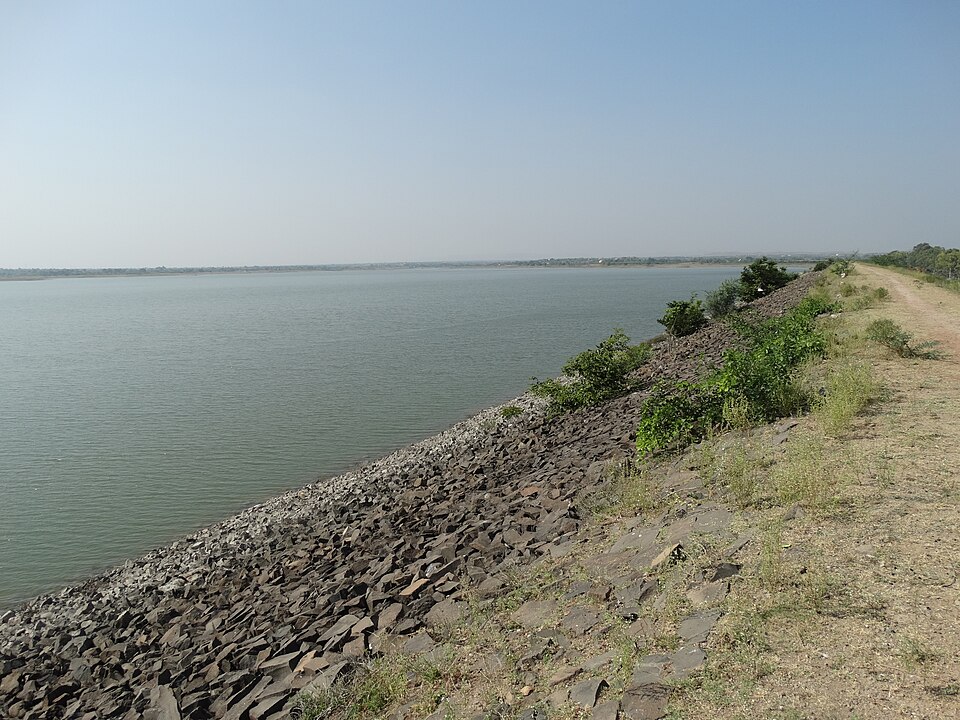
See Malharsagar, the reservoir formed when an earthfill dam was built across the Karha River. Its changing shoreline offers a view into the region’s monsoon cycle and the role of stored water in local farming.
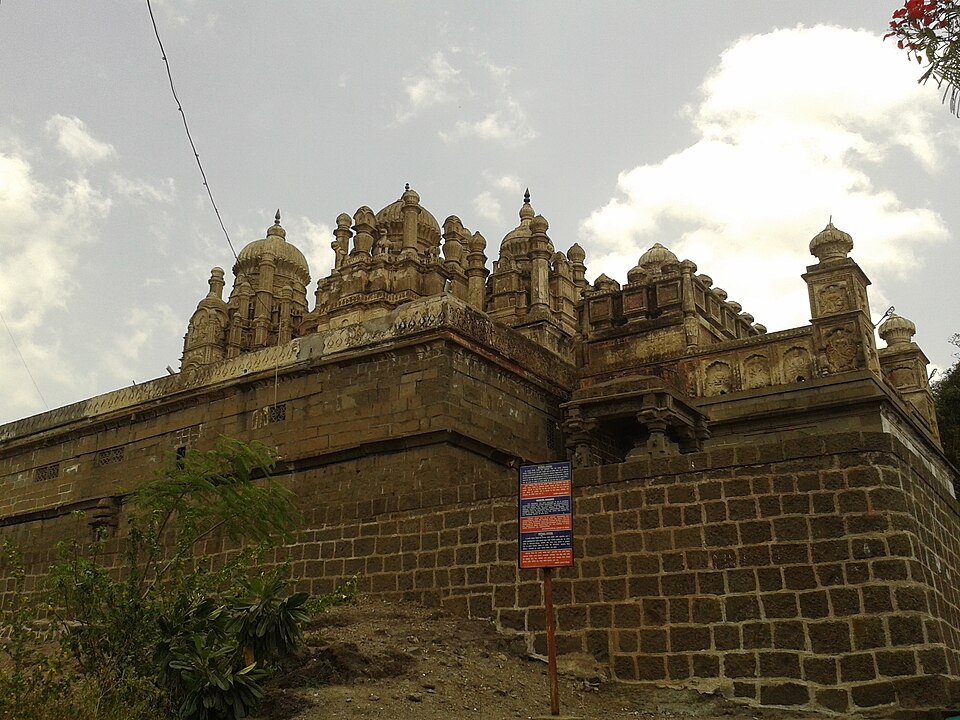
Walk up to a hilltop Shiva temple above Malshiras. The fortified-looking exterior opens onto an assembly hall and finely carved stone panels, including figures that preserve classical dance poses.
In Jejuri, families climb to Khandoba’s shrine to pay their respects to a deity many revere as their kuldaivat, or family deity. At Morgaon, devotees begin and end the eight-temple Ashtavinayak circuit. In Saswad, the ghats at Sangameshwar and the carved pillars at Changavateshwar show two ways temples were built around the same river.
Purandar’s gateways and ramparts tell the story of a hill built for defence. At Bhuleshwar, the approach has the character of a fort while the stone panels bear witness to centuries of Shiva worship. Nazare Dam offers a view of a later chapter, when the Karha was dammed to supply water and support farming.